
Choosing a learning centre or tutoring program for your child in Brisbane
By Mei Larsen · Updated 2026-07-02
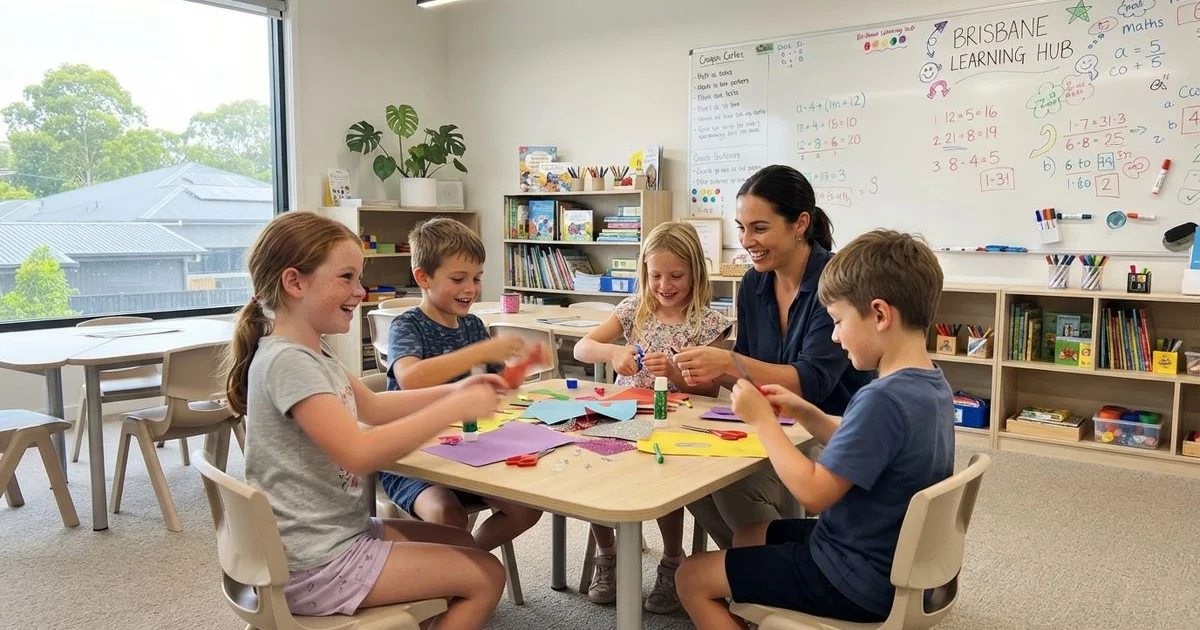
Brisbane’s “learning centre” listings cover more ground than the name suggests, from franchised literacy and numeracy programs to small, independent tutoring businesses run out of a shopfront or a tutor’s home. If you’ve searched for one because a teacher flagged a gap, or because your child is starting to dread a particular subject, it helps to know what you’re actually comparing before you book a trial session.
What a learning centre is, and isn’t
A learning centre is a supplementary education service, not a childcare provider. Sessions are typically 60 to 90 minutes, held after school, on weekends, or during holidays, and focus on specific skills: reading comprehension, times tables, problem-solving, or exam and NAPLAN preparation. This is different from before and after school care, which is about supervision and general activities while parents are at work, not targeted academic instruction. It’s also different from a tutor helping with tonight’s specific homework; a learning centre usually works from its own structured curriculum, assessed and adjusted over a term rather than session by session.
How to tell if a program is worth it
Ask to see how the centre assesses a new student before placing them in a program. A centre that starts every child at the same level regardless of ability is a weaker sign than one that runs a short diagnostic assessment first and explains where your child sits relative to their year level. Ask, too, how progress is tracked and reported back to you: a genuinely useful program should be able to show you concrete movement over a term, not just attendance.
Group size matters more than most parents expect. A session with one educator and eight children is a very different experience from one with a ratio closer to one educator per three or four students, particularly if your child needs more individual explanation before something clicks.

Comparing the common formats
| Format | Best for | Typical session length |
|---|---|---|
| Franchised literacy/numeracy program | Structured, curriculum-aligned skill building over a term | 60-90 minutes, 1-2x weekly |
| Independent tutoring centre | Flexible, subject-specific or exam-focused help | 60 minutes, as needed |
| Homework club or study support | Ongoing homework completion and organisation skills | 45-60 minutes |
| Holiday intensive programs | Catching up or getting ahead before a new term | Half-day to full-day blocks |
Questions worth asking on a trial visit
Ask what happens if your child is absent, whether make-up sessions are offered, and how the centre handles a child who’s clearly bored or under-challenged by the material. It’s also worth asking directly what qualifications the tutors hold and whether the same educator works with your child consistently, since rotating through different tutors each week makes it harder for anyone to build a real picture of where your child is struggling.
Cost varies widely by format and location, so ask for the per-session rate and whether a term needs to be paid upfront or can be booked week to week. A cheaper centre with a rigid term commitment isn’t necessarily better value than a slightly pricier one that lets you trial a few sessions first.
When to start looking
Most families start looking for a learning centre reactively, after a report card or a parent-teacher conversation flags a specific gap. That’s a reasonable trigger, but it also means popular time slots, particularly weekday afternoons straight after school, fill up first. If you already suspect a subject is becoming a sticking point, it’s worth starting the search a term ahead rather than waiting for the next report. The same start-early logic applies to booking longer-term care: our guide to Brisbane childcare waitlists covers when to join and how many lists to sign up to.
Getting the most out of a trial period
Most reputable centres will let you trial a handful of sessions before committing to a full term, and it’s worth using that window deliberately rather than just seeing whether your child enjoys it. Ask your child directly how the sessions feel, too easy, too hard, or about right, and watch for practical signs like whether homework and classwork start to feel less like a struggle over the following few weeks. A program that’s genuinely working usually shows some movement within four to six sessions, even if the bigger gains take a full term to show up clearly.
Keeping the school loop closed
If a learning centre was recommended off the back of a specific concern from your child’s classroom teacher, it’s worth looping that teacher back in once tutoring is underway. A short update, letting the school know your child is getting additional support and roughly what it’s focused on, can help the classroom teacher tailor their own approach too, and gives you a second, independent perspective on whether the extra support is actually translating into progress at school.
Browse Brisbane’s learning centre listings to compare options near you, or start from the full directory if you’re still weighing this against other care types. See our methodology for how centres are scored and ranked.
Questions people ask
- What is the difference between a learning centre and a childcare centre?
- A childcare centre provides all-day care and supervision, usually for children under school age or in before/after school hours. A learning centre is generally a supplementary education service, offering structured sessions in subjects like literacy, numeracy or exam preparation, often outside of school hours or on weekends.
- What ages do learning centres in Brisbane cater for?
- Most cater to school-age children, from early primary through to high school, though some also run early literacy or numeracy readiness programs for children about to start prep.
- How do I know if my child actually needs a learning centre?
- Look for signs like a child avoiding homework, a specific subject consistently causing frustration, or a teacher flagging a gap at a parent-teacher meeting. A short trial session at a centre can also help confirm whether structured, small-group tutoring suits your child's learning style before you commit to a term.
- Do learning centres follow the Australian curriculum?
- Reputable centres generally align their programs to the Australian curriculum, but the depth and method vary widely between franchised programs and independent tutors, so it's worth asking to see a sample lesson plan or assessment approach.